-
Shop
- Advanced Technologies
- AI Career Advantage Collection
- AI Skills
- AI Skills for Creators & Freelancers
- AI Client Management
- AI Ethics
- AI Mindset
- AI Tools & Prompts
- AI Writing & Content Creation
- Audio, Voice & Music
- Design & Visual Creation
- Email, Messaging & Communication
- Freelancing & Business
- Marketing, Ads & Conversion
- Productivity, Workflow & Automation
- SEO & Search Optimization
- Social Media Content & Growth
- Strategy, Planning & Analytics
- Video Creation & Editing
- Bathroom
- Beauty
- Car Accessories
- Car Buying & Ownership
- Confidence
- Dating & Social Skills
- Digital Resources
- Education & Learning
- Family & Parenting
- Fashion
- Furniture
- Halloween
- Health & Wellness
- Home Electronics
- Home Styling & Organization
- Kids & Babies
- Kitchen
- Lighting
- Luxury Brands Collection
- Parenting & Child Development
- Patio, Lawn & Garden
- Personal Growth
- Personal Style & Fashion
- Pet Care
- Pet Lifestyle & Wellness
- Pet Supplies
- Smart Amazon Shopping
- Smart Home Living Guides
- Stress Relief & Relaxation
- Thanksgiving
- Travel
- Travel & Adventure
- Wealth
- Wellness
What Are the Downsides of Tencel Fabric?

25% off on product page · save $3.00
What Are the Downsides of Tencel Fabric?
Price and Availability
Tencel fabric can cost more than conventional cotton or polyester because its production involves specialized processing, so you may pay a premium for a garment or home textile made with it. If you’re shopping on a budget, compare the fiber content and construction as well as the price: a blend may feel different from a fabric made entirely of Tencel fibers.
Wrinkling and Wear
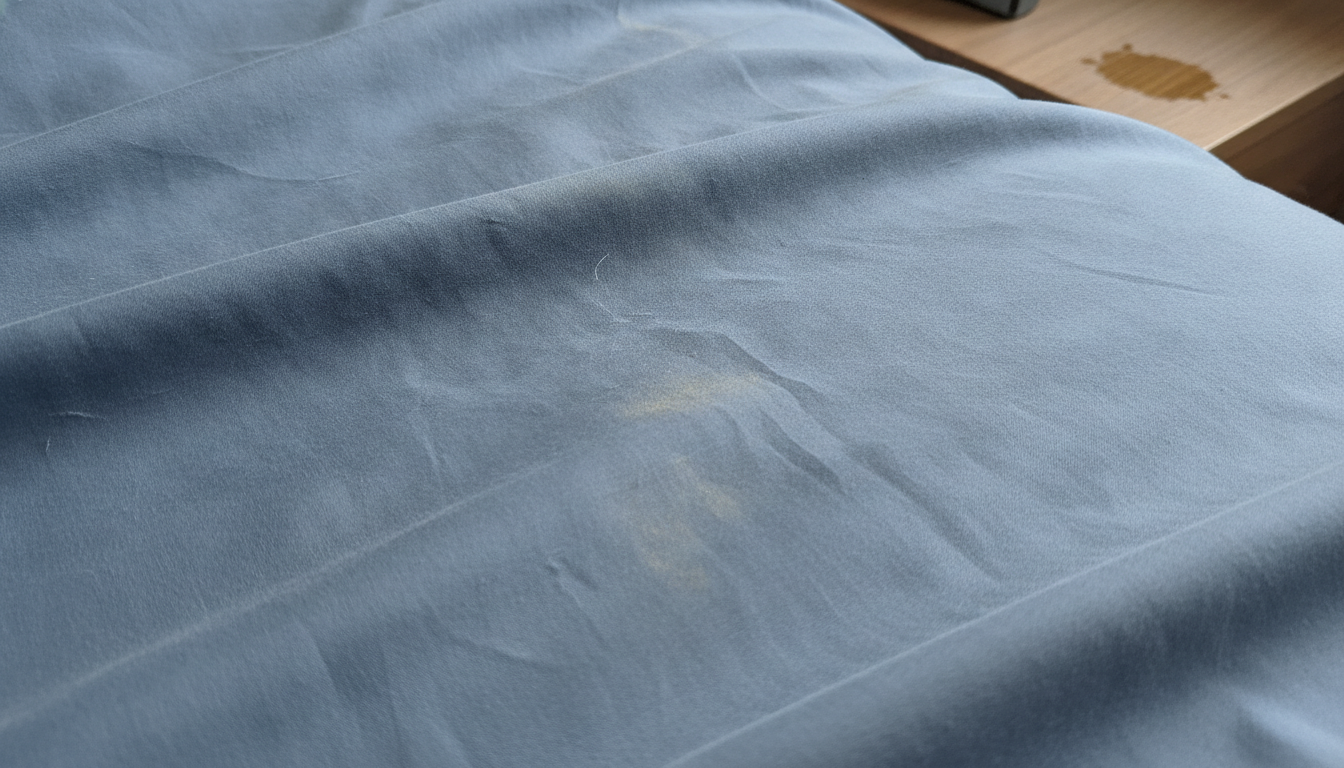
Depending on the weave and finish, Tencel fabric can wrinkle during wear or after washing, which may be frustrating if you prefer clothes that look crisp without much attention. Some fabrics can also show wear or abrasion over time, so consider how a garment will be used before choosing a delicate, lightweight version for frequent, rough activity.
Featured in this guide
Tencel Lyocell Unwrapped: The Soft Science of Sustainable Fabric Guide – Discover What Tencel Lyocell Fabric Is and Why It’s the Future of Eco-Friendly Fashion
Washing and Drying
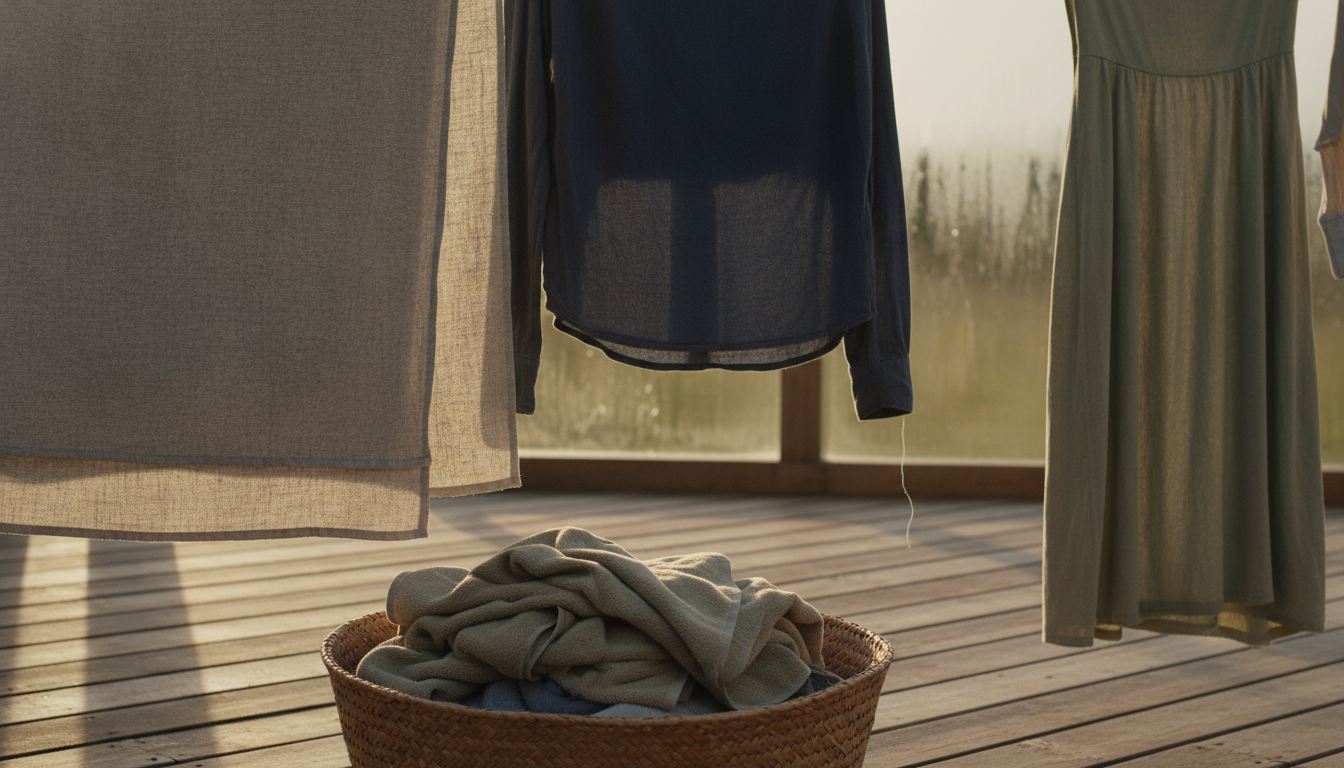
Tencel garments may need gentler care than sturdy cotton or polyester items, and the right method depends on the fabric’s construction, finish, and any other fibers in the blend. Follow the care label, use a gentle wash when directed, and avoid assuming that a hot dryer is suitable; some pieces may need air-drying, gentle ironing, or professional cleaning to maintain their shape and appearance.
Fit and Fabric Behavior
Tencel often has a fluid drape, which can be attractive in shirts and dresses but may not provide the structure you want in a sharply tailored jacket or a garment designed to hold a rigid shape. The fabric may also shrink or change shape if cared for incorrectly, so think about how a piece fits before buying and leave room for the movement you need rather than choosing an uncomfortably tight size.
Environmental Trade-Offs
Although Tencel is made from wood-based cellulose, no fabric is impact-free: sourcing raw materials, processing fibers, dyeing, and transporting finished goods all use resources. Our team recommends considering the whole garment rather than relying on a fiber name alone; our guide, Tencel Lyocell Unwrapped, explores the material in a fashion context, and you can also read our article on the downsides of Tencel fabric as you weigh your options.
See if Tencel Lyocell Unwrapped: The Soft Science of Sustainable Fabric Guide – Discover What Tencel Lyocell Fabric Is and Why It’s the Future of Eco-Friendly Fashion fits your setup
Was this article helpful?
Yes
No




Leave a comment