-
Shop
- Advanced Technologies
- AI Career Advantage Collection
- AI Skills
- AI Skills for Creators & Freelancers
- AI Client Management
- AI Ethics
- AI Mindset
- AI Tools & Prompts
- AI Writing & Content Creation
- Audio, Voice & Music
- Design & Visual Creation
- Email, Messaging & Communication
- Freelancing & Business
- Marketing, Ads & Conversion
- Productivity, Workflow & Automation
- SEO & Search Optimization
- Social Media Content & Growth
- Strategy, Planning & Analytics
- Video Creation & Editing
- Bathroom
- Beauty
- Car Accessories
- Car Buying & Ownership
- Confidence
- Dating & Social Skills
- Digital Resources
- Education & Learning
- Family & Parenting
- Fashion
- Furniture
- Halloween
- Health & Wellness
- Home Electronics
- Home Styling & Organization
- Kids & Babies
- Kitchen
- Lighting
- Luxury Brands Collection
- Parenting & Child Development
- Patio, Lawn & Garden
- Personal Growth
- Personal Style & Fashion
- Pet Care
- Pet Lifestyle & Wellness
- Pet Supplies
- Smart Amazon Shopping
- Smart Home Living Guides
- Stress Relief & Relaxation
- Thanksgiving
- Travel
- Travel & Adventure
- Wealth
- Wellness
Cleveland Clinic Diaphragmatic Breathing Exercises

25% off on product page · save $2.00
Cleveland Clinic Diaphragmatic Breathing Exercises
What is diaphragmatic breathing?
Cleveland Clinic describes diaphragmatic breathing as a way to engage your diaphragm, the muscle beneath your lungs, while breathing slowly and deliberately. You can practice it lying down or sitting, using your hands to notice whether your abdomen rises as you breathe in and falls as you breathe out.
Check the product’s listed specifications when evaluating what is diaphragmatic breathing.
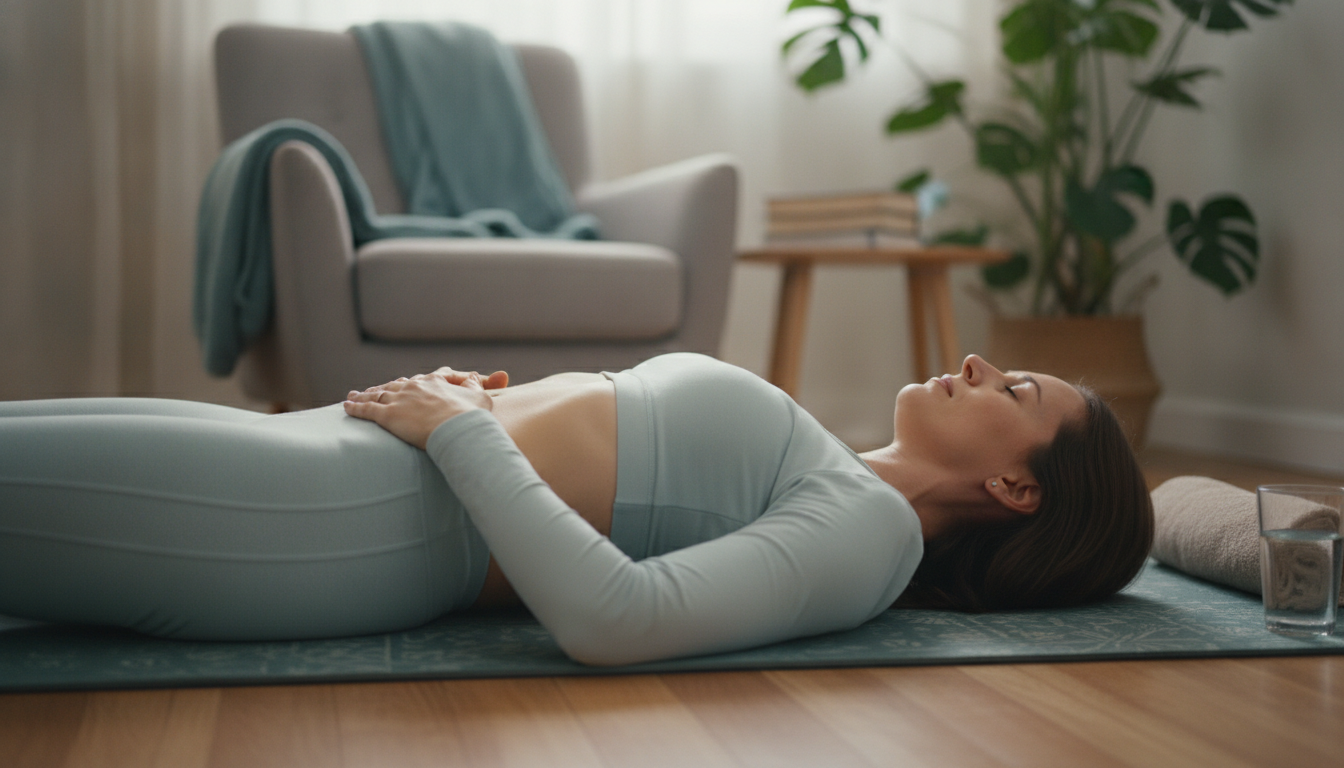
How do you practice lying down?
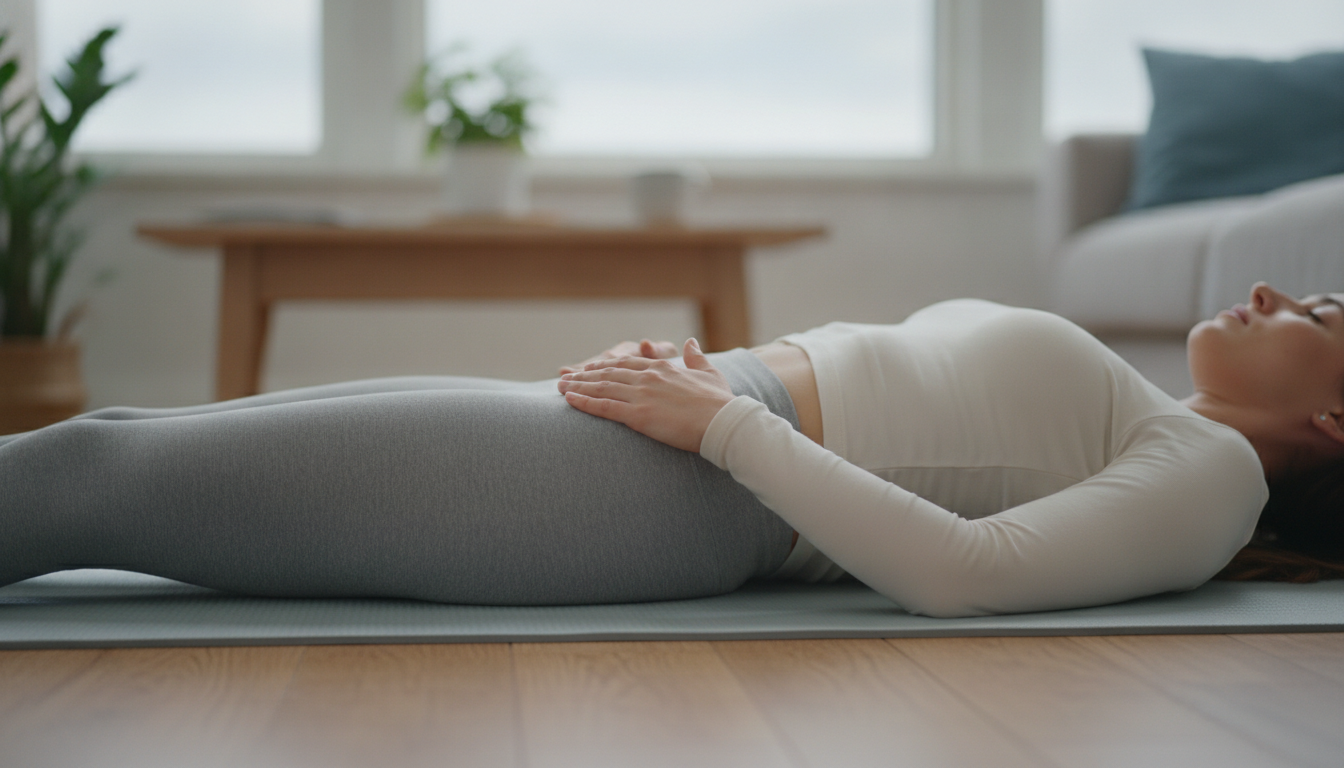
Lie on your back with your knees bent and your head supported, using a pillow under your knees if that helps you feel comfortable; place one hand on your upper chest and the other just below your rib cage. Breathe in slowly through your nose so your abdomen moves outward under your lower hand while your upper hand stays as still as possible, then tighten your abdominal muscles gently and breathe out through pursed lips as your abdomen falls.
Check the product’s listed specifications when evaluating how do you practice lying down.
Featured in this guide
Breathe Your Way to Calm: Your Vagus Nerve Exercise Checklist | Printable Digital Download | Stress Relief Breathing Guide | Relaxation & Mindfulness
How do you practice while sitting?
Sit comfortably with your knees bent and your shoulders, head, and neck relaxed, then place one hand on your upper chest and the other below your rib cage. Inhale slowly through your nose, letting your abdomen move outward while your chest remains relatively still, and exhale through pursed lips while gently drawing your abdomen inward.
Check the product’s listed specifications when evaluating how do you practice while sitting.
When and how long should you practice?
Cleveland Clinic suggests practicing for five to 10 minutes at a time, three to four times a day, although you can start gently and build a comfortable routine. Once the movement feels familiar, you can use it during a quiet break or when you want to slow your breathing; avoid forcing deep breaths, and pause if you feel dizzy or uncomfortable.
How can you remember the routine?
You can return to our guide to Cleveland Clinic diaphragmatic breathing exercises when you want a reminder of the hand placement and breathing sequence. For a printable mindfulness resource, our Breathe Your Way to Calm: Your Vagus Nerve Exercise Checklist is a digital download you can keep alongside your relaxation routine.
FAQ
Who should not do diaphragmatic breathing?
There is no single rule that excludes everyone with a particular condition, but you should stop if the exercise makes you dizzy, uncomfortable, or more short of breath. If you have a lung condition such as COPD or find breathing exercises difficult, ask your healthcare professional how to practice safely.
See if Breathe Your Way to Calm: Your Vagus Nerve Exercise Checklist | Printable Digital Download | Stress Relief Breathing Guide | Relaxation & Mindfulness fits your setup
Was this article helpful?
Yes
No




Leave a comment